We first met Peter Mbature in 2013, during a visit to Kenya. Even before arriving, we'd heard stories about him: a farmer with uncommon vision, whose coffees stood apart for their quality and integrity. Meeting Peter, we quickly understood why. He carries a quiet intensity, an enduring curiosity, and a deep conviction in what Kenyan coffee can become.
The story of Kamavindi Estate begins generations earlier. Peter's grandfather, John Njiru Mbature, established the farm during British colonial rule, when Kenyan farmers faced severe restrictions on coffee cultivation. John began with just 100 trees. As restrictions were lifted, the estate gradually expanded, and the family's commitment to coffee passed from one generation to the next.
Peter's parents eventually departed the cooperative society system, establishing their own washing station and gaining greater control over processing and quality. Their investment laid the foundation for what Kamavindi has become today: an estate recognized for producing some of Kenya's most distinctive coffees.
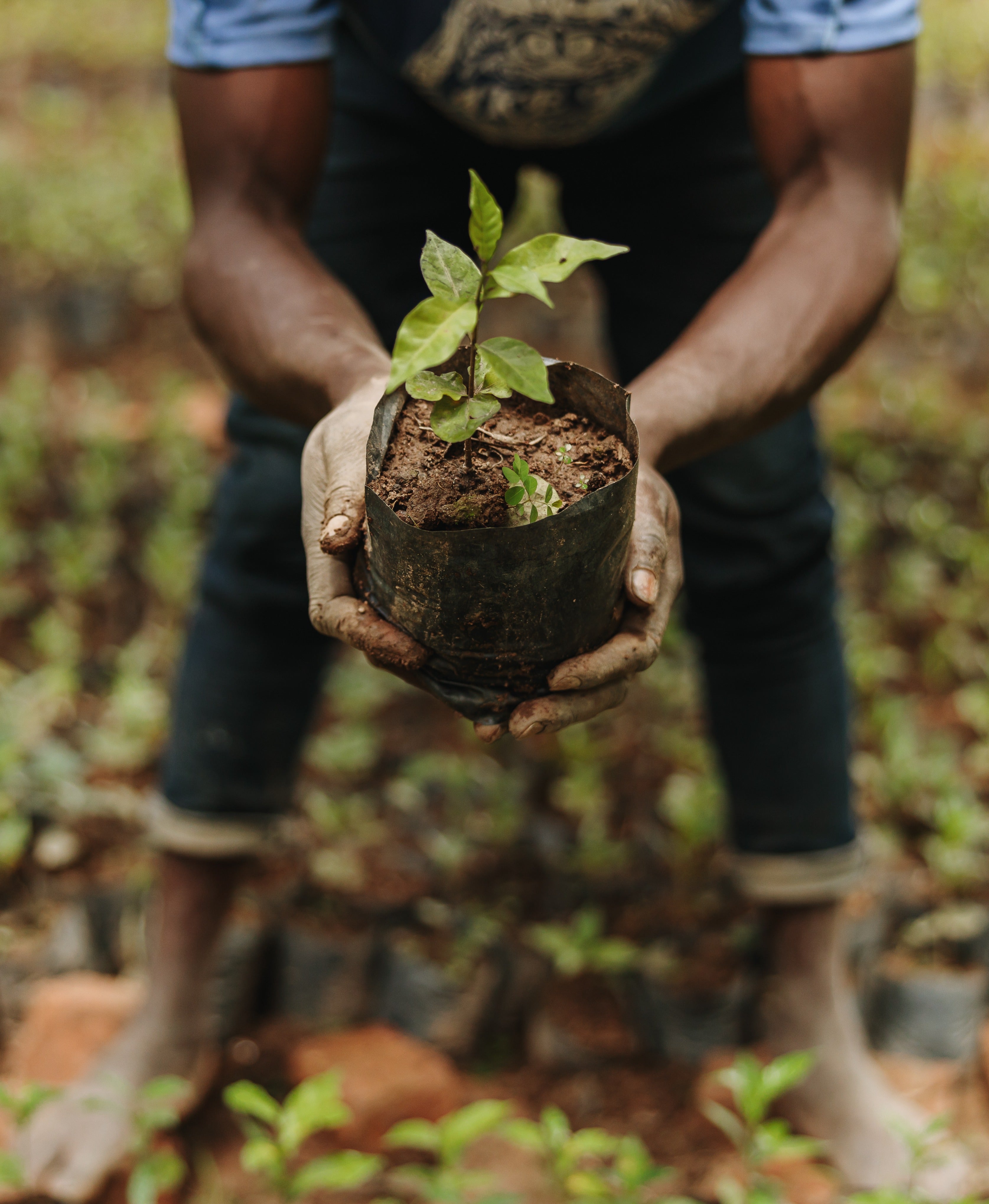
Today, Peter cultivates more than 10,000 coffee trees, predominantly SL28 and SL34. But his vision extends well beyond the estate. As both a farmer and exporter, Peter is working to address a longstanding imbalance in Kenyan coffee: the distance between the extraordinary value of its coffees and the compensation received by those who produce them. Through direct relationships with farmers and cooperatives, he is building more transparent supply chains rooted in fair compensation, shared knowledge, and greater autonomy for producers.
During our return visit in early 2026, we walked among the trees at Kamavindi, tasted new selections, and cupped coffees from producers working alongside Peter. These relationships represent the continuation of his family's multigenerational pursuit of independence, and a belief that the future of Kenyan coffee should belong more fully to the people who grow it.