Ethiopia is the genetic homeland of arabica coffee, home to an extraordinary diversity of varieties that have shaped coffee cultivation around the world. Combined with the country's remarkable growing conditions and centuries of coffee tradition, this diversity gives rise to the vibrant florality, layered fruit, and complexity that define Ethiopian coffee.
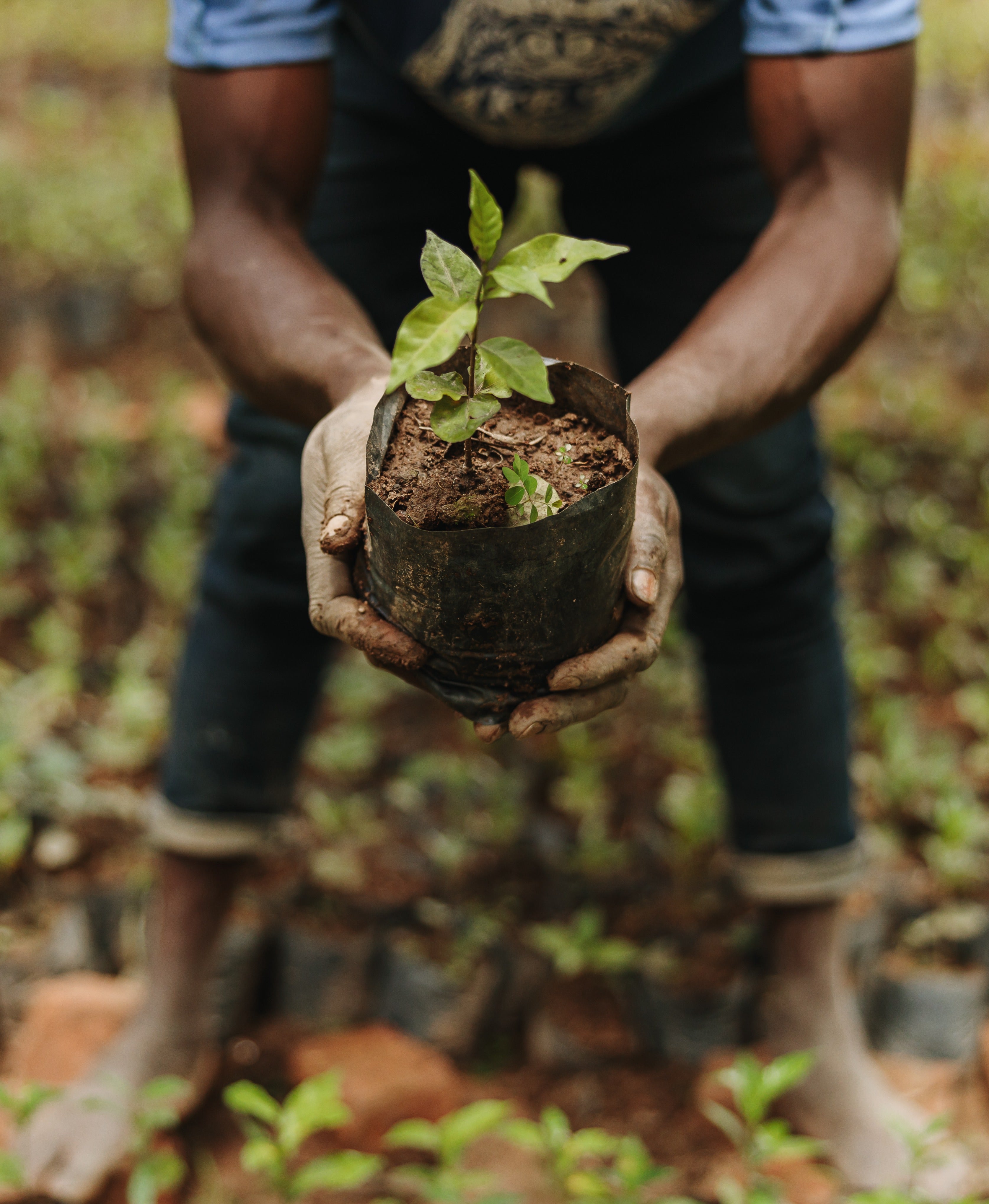
Most Ethiopian coffee is produced by smallholder farmers tending a few hundred trees in garden-like plots beneath native shade trees. Despite their modest size, these family-managed farms consistently express the character, history, and sense of place that make Ethiopian coffee so beloved.
Ethiopia is the genetic homeland of arabica coffee, home to an extraordinary diversity of varieties that have shaped coffee cultivation around the world. Combined with the country's remarkable growing conditions and centuries of coffee tradition, this diversity gives rise to the vibrant florality, layered fruit, and complexity that define Ethiopian coffee.
Most Ethiopian coffee is produced by smallholder farmers tending a few hundred trees in garden-like plots beneath native shade trees. Despite their modest size, these family-managed farms consistently express the character, history, and sense of place that make Ethiopian coffee so beloved.