



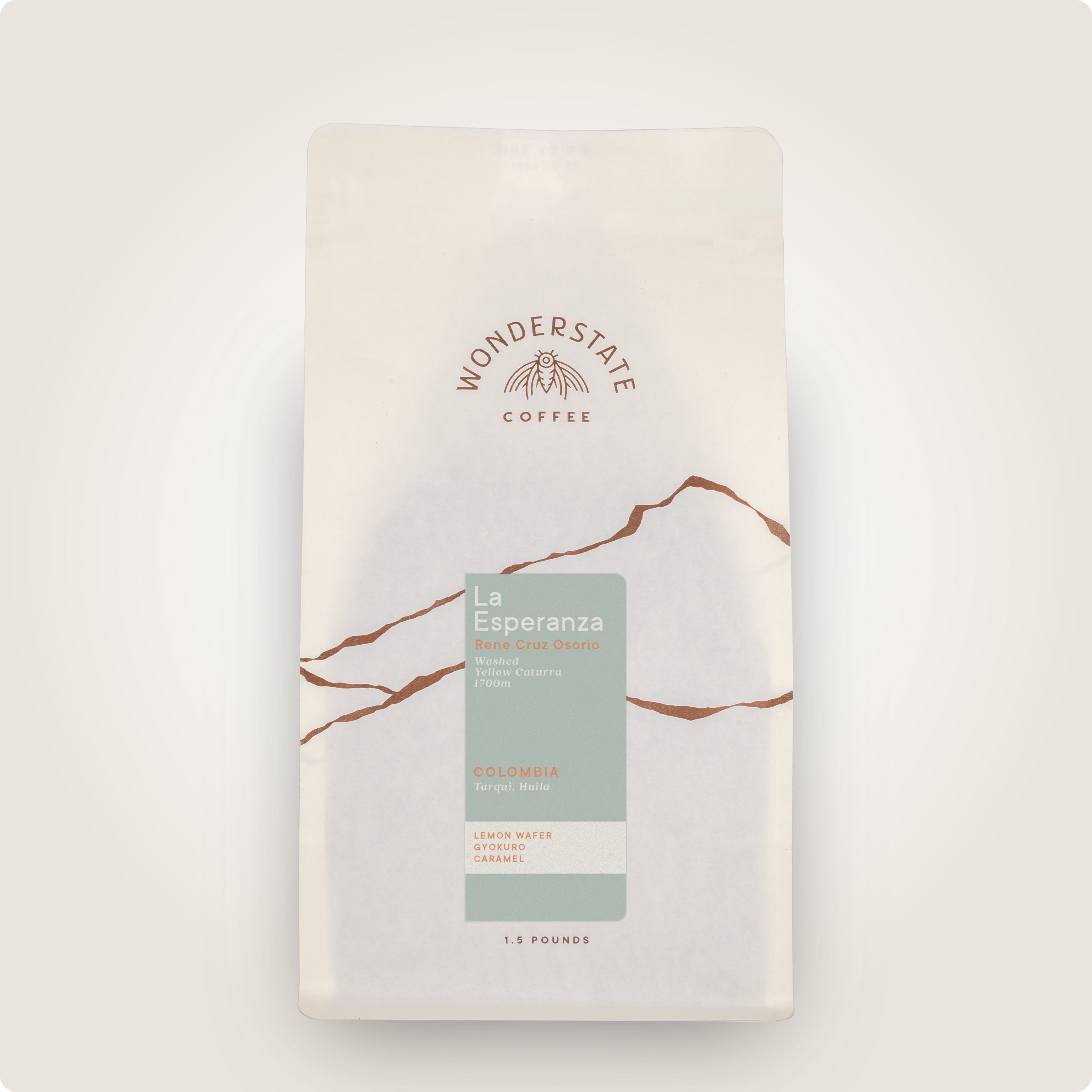
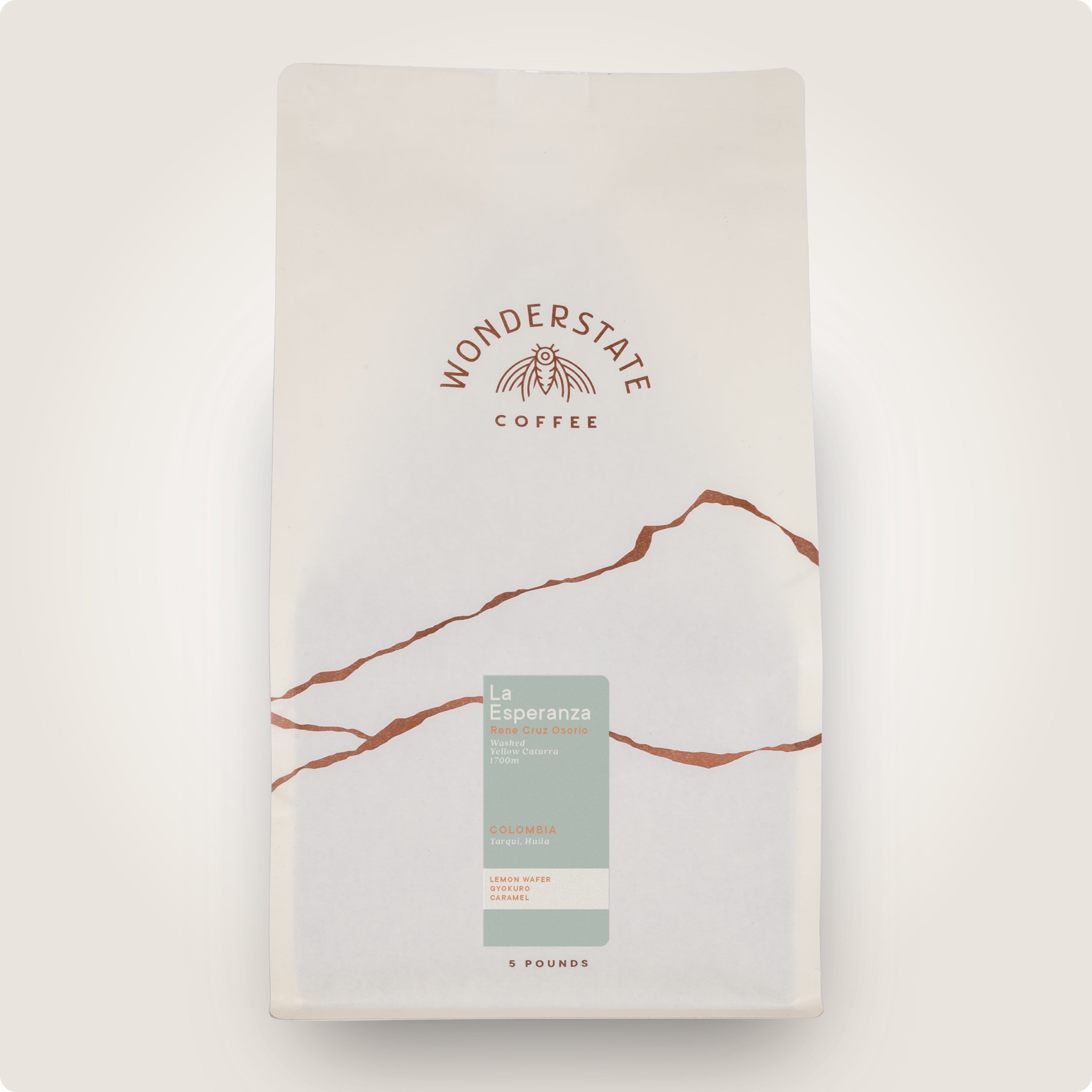
Colombia La Esperanza
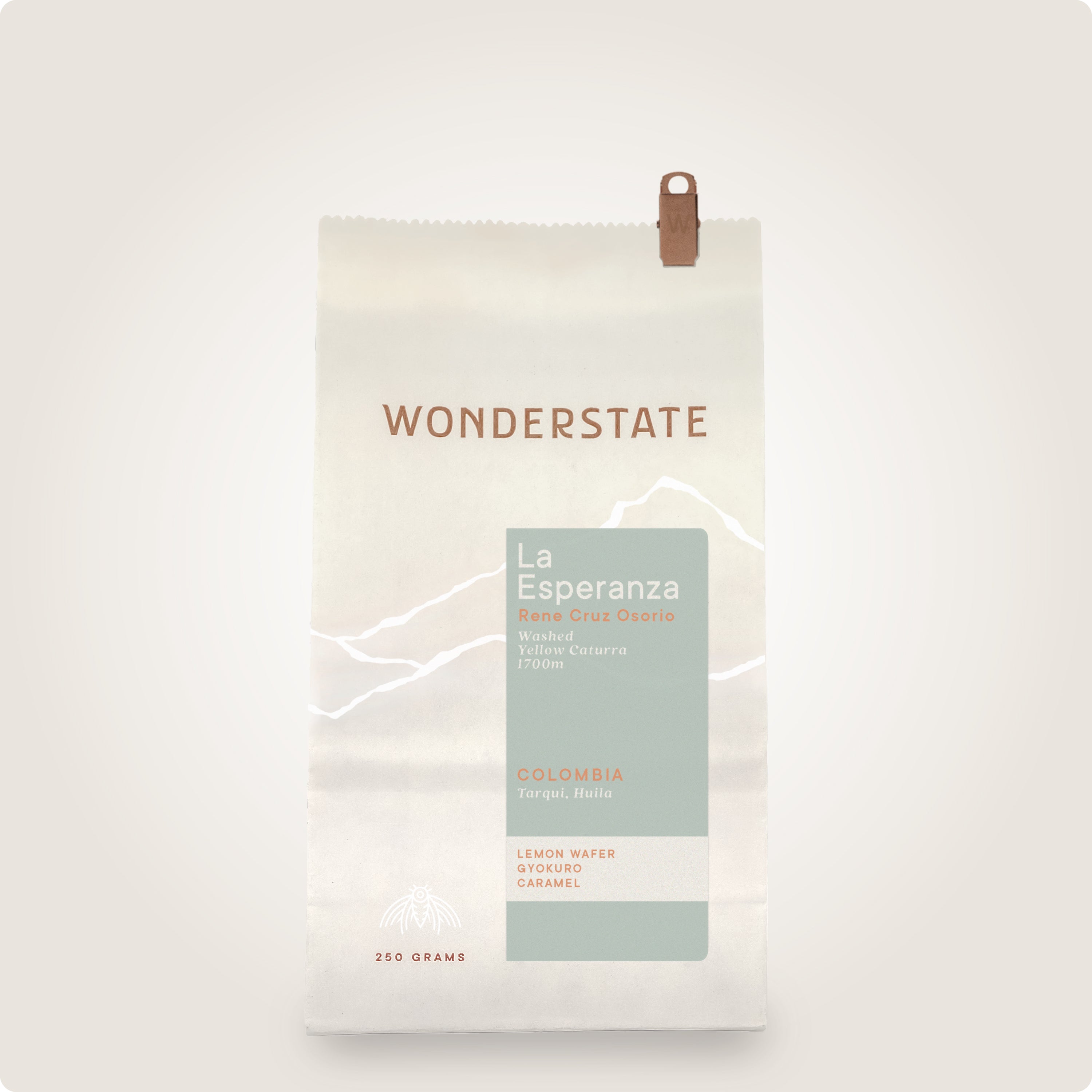
Process: Washed
Notes of Lemon Wafer, Gyokuro & Caramel
A brisk and lean cup profile that expresses hues of yellow and green, with sweet lemon wafer tones and a gyokuro tea-like aromatics and a caramel-spice finish.
Available in whole bean only.
Specs
Altitude: 1700 meters
Varietals: Yellow Caturra
Process:
Cherries are sorted and depulped, fermented for 50-70 hours, then washed and dried on raised beds for 15 to 20 days.
Harvest: July - September 2025
Region: Tarqui, Huila
About the Coffee
During our visit to Tarqui last fall we cupped numerous selections from farms throughout the community, and Rene Cruz Osorio’s Yellow Caturra selection was immediately one of our favorites.
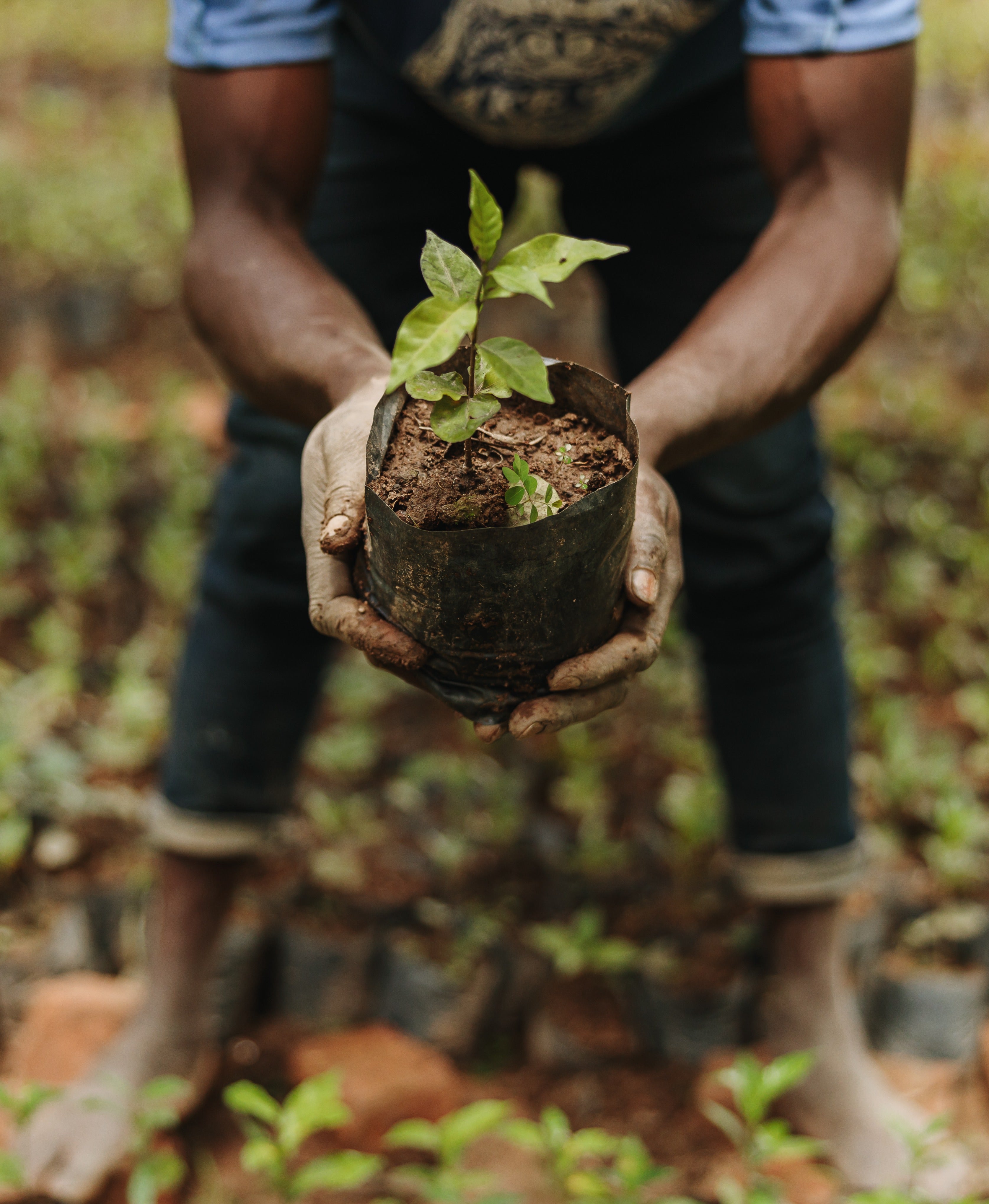
Rene cultivates coffee on La Esperanza, a small farm in the hamlet of El Líbano, Tarqui, where just a little less than 2 acres are dedicated to coffee production. At 1,700 meters above sea level, the farm sits within a landscape of warm days, cool evenings, and steady mountain breezes that help shape the character of the cup. Alongside Yellow Caturra, Rene grows Variedad Colombia and Papayo, tending each lot with remarkable care and attention.
Yellow Caturra is a variety we return to again and again for its structure, clarity, and vibrant acidity. To find it thriving in Tarqui is a welcome surprise. While newer varieties often capture the spotlight, coffees like this remind us that exceptional cups are ultimately the result of people, place, and careful cultivation.
For this selection cherries are harvested at peak ripeness before undergoing a lengthy 50 to 70 hour fermentation. The coffee is then washed and slowly dried for up to 20 days, allowing sweetness and complexity to develop while preserving clarity in the cup.
The result is a coffee that feels both vibrant and composed. Fresh herbal notes and tea-like structure carry through the cup, supported by the gentle brightness of lemon wafer and the savory green depth of gyokuro tea. A lingering caramel sweetness ties everything together, creating a profile that is expressive without demanding attention.
Like many of the coffees emerging from Tarqui today, Rene's Yellow Caturra demonstrates that remarkable quality is often found not in novelty, but in the steady work of dedicated producers who continue refining their craft year after year.
About the Producer
Colombia is a country of short distances and extreme variations. One ridge catches late afternoon sun and warm updrafts from a river valley. The next ridge turns frigid by three o’clock and holds mist until morning. The communities are only miles apart, but coffees taste like they come from entirely different worlds. That is the beautiful challenge of Colombia; it’s a landscape that refuses to be simplified and restricted to binary categories.
For decades, the Colombian state tried to homogenize and flatten the diverse voices of Colombian coffee. Through the Federación Nacional de Cafeteros and Cenicafé, the country built an incredibly ambitious coffee infrastructure program. Extension agents brought training to remote communities. Nurseries provided government-approved seedlings, and renovation programs pushed farms to replant old heirloom varieties with new hybrids. The government’s primary priorities were stability, productivity, export volume, and disease resilience.
Farmers, meanwhile, live inside a different set of expectations. They needed trees that grew quickly and would both survive and produce great quality. They also needed a market that actually valued their labor, and the quality of the coffees they produced.
In the late 1970s and early 1980s, Colombia began changing its genetic landscape at a national scale. Coffee Leaf Rust threatened the Americas, and Colombia chose to combat this existential crisis by providing new genetically-altered coffee varieties with disease resistance. Traditional arabica varieties like Typica, Bourbon, and Caturra began to give way to new hybrids distributed through state-backed systems. Variedad Colombia became the emblem of that moment. It brought disease resistance and higher yields, and at the same time changed the flavor of Colombia as we knew it. In a single generation, many farms moved from the classic sweetness and aromatic complexity of older arabica varieties toward profiles that feel different, sometimes flatter, sometimes less aromatic, often more bitter, and sometimes simply unfamiliar.
Today, the landscape of Colombia holds all those eras and changes at once. Old Bourbon and Caturra still exist, though in increasingly smaller volumes. Early hybrids remain on many small farms, now mature, and too often overlooked. Newer varieties like Castillo spread widely after the next wave of rust pressure came in the early 2010’s. And in the same community you can find Gesha and Pink Bourbon planted beside aging hybrid blocks, all of it responding to the same climatic conditions, which continue to change unpredictably.
The specialty world often tells a simple story here. New varieties equal higher quality. Old hybrids' equal compromise. But communities like Tarqui complicate that narrative, and even challenge it.
Tarqui sits in the south central mountains of Huila, a landscape of rolling ridges that trap warmth during the day and pull cold air down the slopes at night. It is the kind of place where cherries ripen slowly and aromatics expand relentlessly. Farmers here talk about their coffee as something specific and local, even when the varieties on their farms come from national distribution programs. They know the ravines and ridges, and they know when their cherries reach optimal ripeness. They’re dedicated to quality, open to experimentation, and hungry to gain recognition for their passion and labor.
They also know the brutal economic reality. Many farmers sell coffee as quickly as possible because waiting carries risk. Payment can return months later. Inputs cost money today. Renovation asks them to lose production for years. So the choice becomes constant. Chase the promise of higher value markets through slow quality work and new plantings, or stay with the varieties that produce reliably and focus on yield.
When Wonderstate visited Tarqui, we came in with curiosity about that tension. We wanted to taste the community as it truly is, not only the fashionable varieties. We tasted more than forty coffees. We heard the same theme again and again; buyers come and go,but quality still matters, and place still speaks.
Why We Love It
Yellow Caturra is a variety we are continually drawn to for its structure, brightness, and clarity. To find it cultivated in Tarqui is a welcome surprise. This selection from Rene Cruz is vibrant and expressive, filled with fresh herbal tones that feel alive in the cup. Notes of lemon wafer bring a gentle, precise acidity, while the savory green character of gyokuro tea carries through a tea-like foundation, finishing with rich caramel sweetness.
Colombia La Esperanza

- AWAlbert W.Verified Buyer14 hours agoRated 5 out of 5 starsAmazing brew.
This coffee is sweet and delicious. Brewing in a French Press even though it is a light roast makes an enjoyable flavor blast that make a great morning start
Was this helpful?