


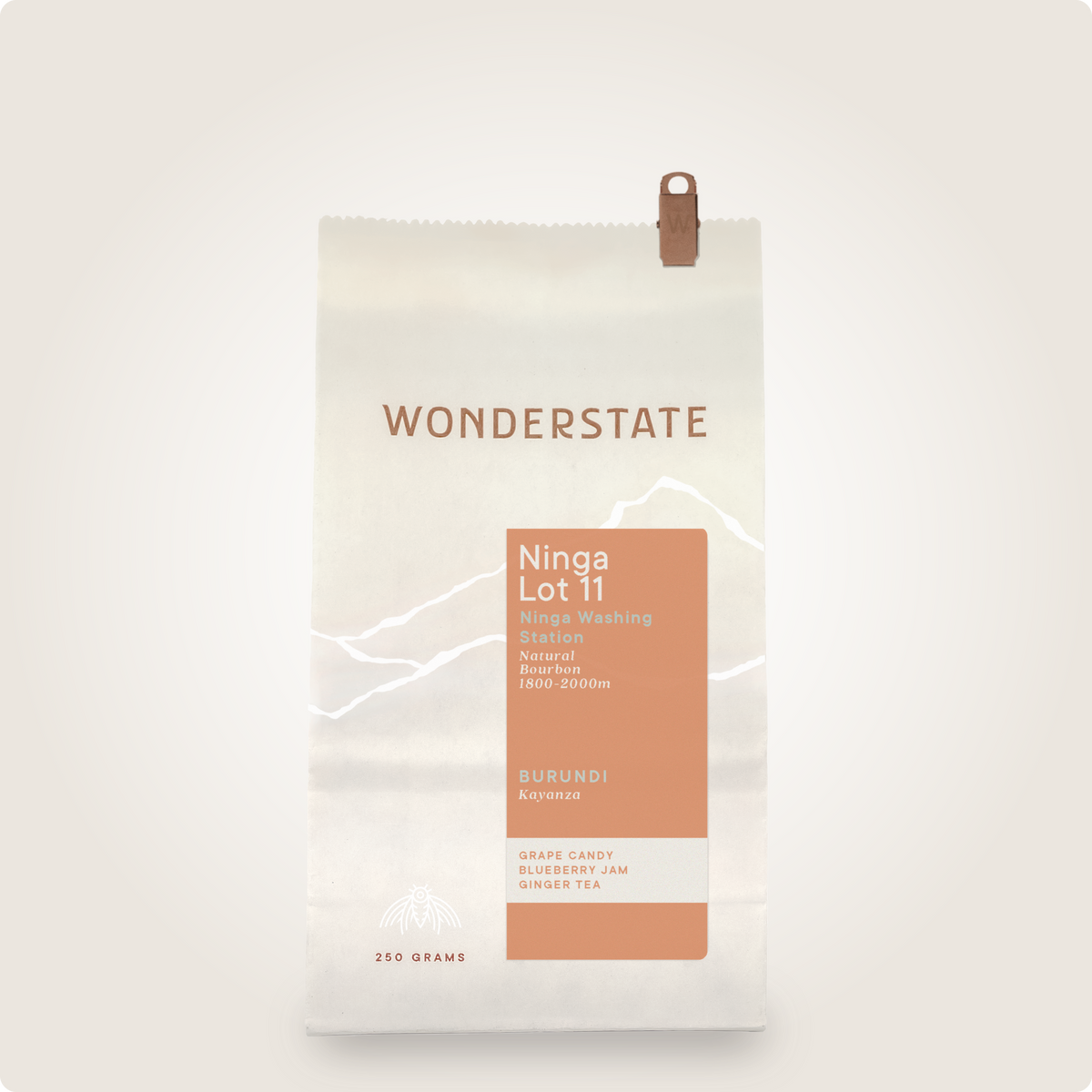
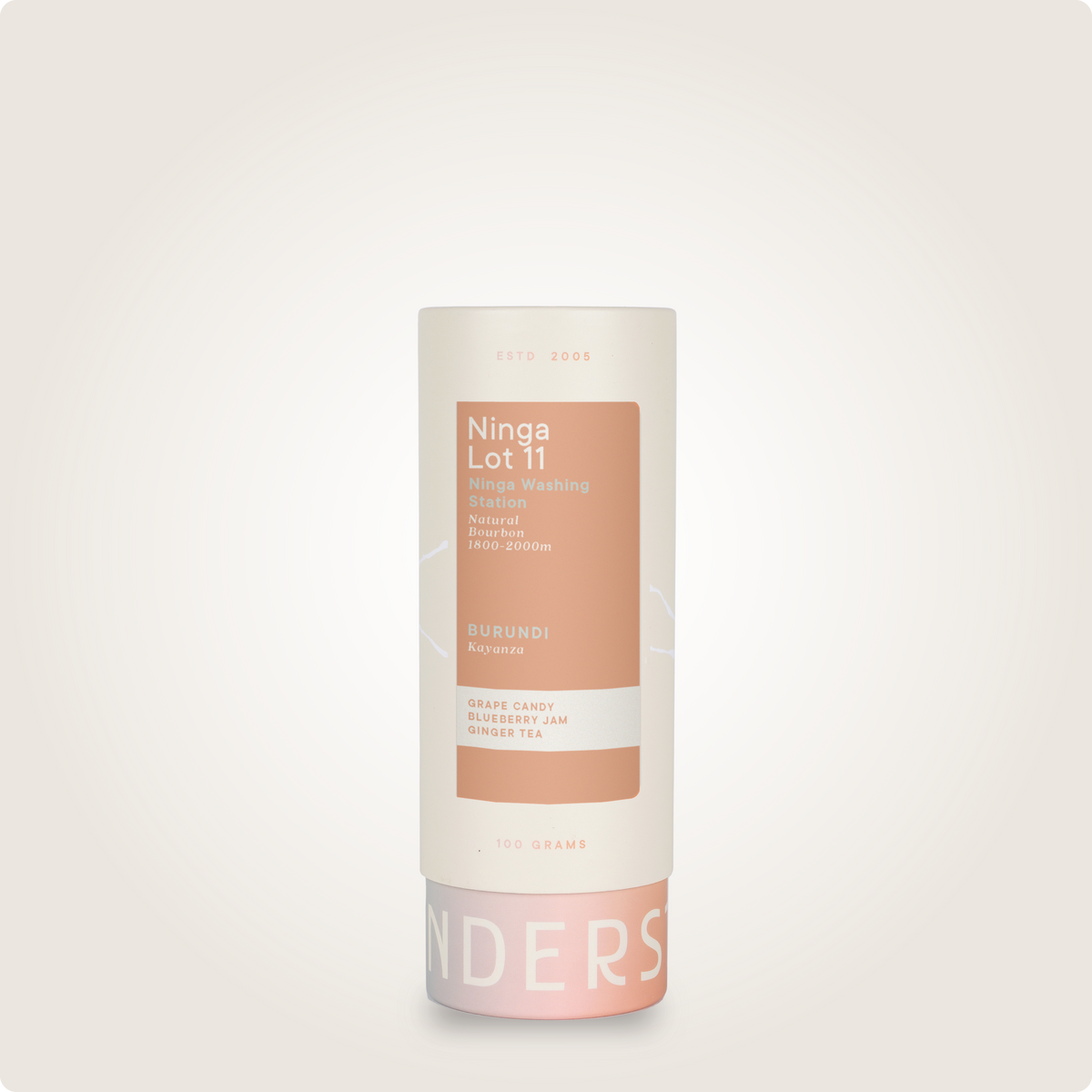


Burundi Ninga Lot 11
Process: Natural
Notes of Grape Candy, Blueberry Jam & Ginger Tea
Lush grape candy and stewed blueberry lead the cup, grounded by deep molasses sweetness and finished with warming ginger tea tones.
Available in whole bean only.
Specs
Altitude: 1800-2000 meters
Varietals: Bourbon
Process:
Cherries are sorted by hand and dried on raised beds for upwards of 30-40 days.
Harvest: May - July 2025
Region: Kayanza Province
About the Coffee
Producing coffee at this level takes real discipline and intention, and the Long Miles Coffee Project has built a system that brings out the best in each harvest. For this selection, farmers carefully sorted cherry at the farm before delivering it to the Ninga Washing Station, where the team sorted the fruit again to ensure only the best cherries moved forward. The coffee then dried slowly over the course of thirty to forty days until it reached optimal moisture levels. By drying the coffee in thin layers, regularly turning the cherries by hand, and protecting them from rain, Long Miles preserved the density, texture, and fruit intensity that define exceptional natural coffees.
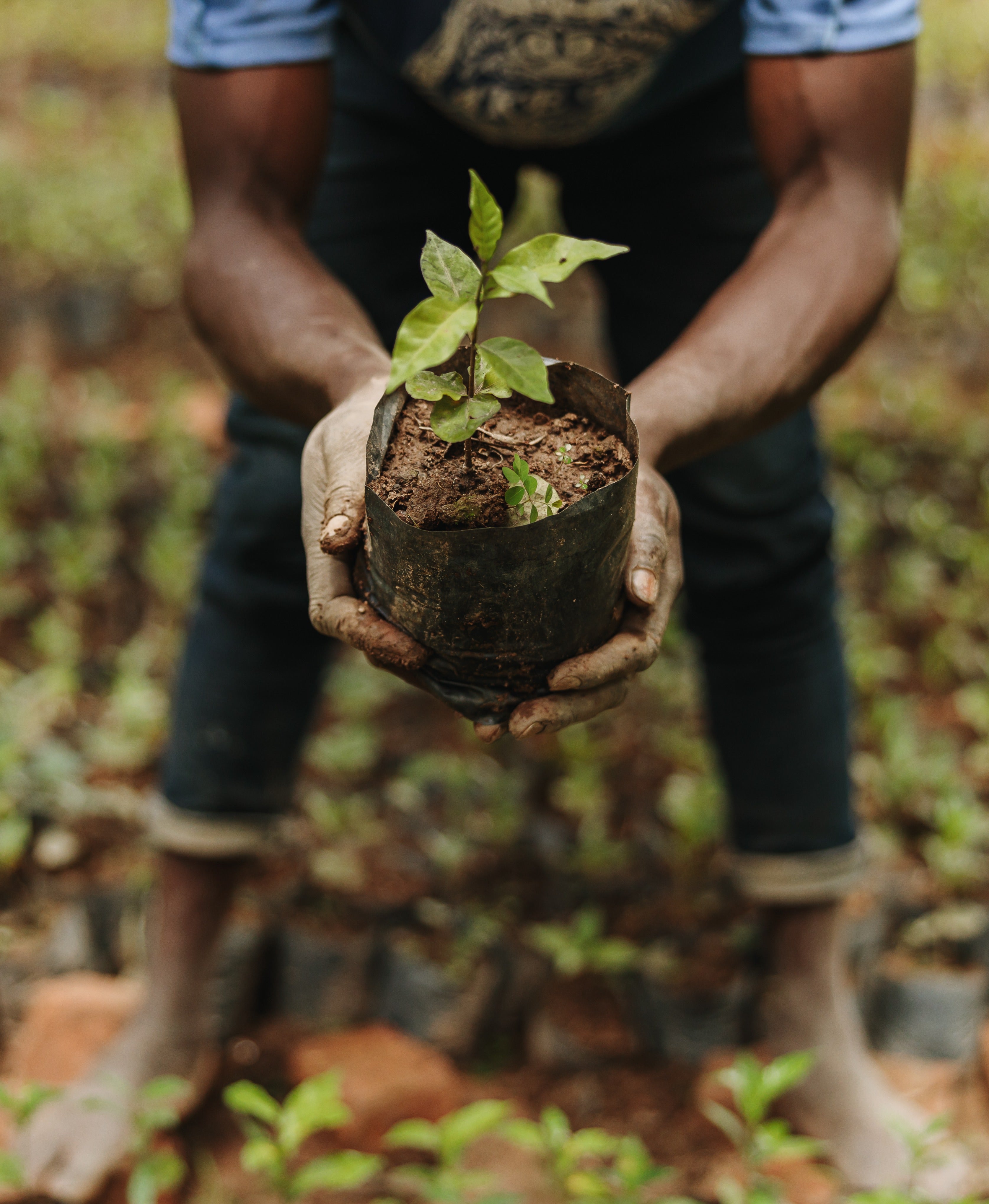
In Burundi, most farmers grow Red Bourbon, with smaller plantings of Mibirizi, a Typica related variety. These heirloom varieties offer tremendous flavor potential, but they also bring real challenges. They remain highly susceptible to disease and pests, and many farms struggle with declining soil health and low yields. The Long Miles team works closely with the farmers of Ninga to confront these issues head on, offering ongoing support around farm management, soil care, and harvest practices. With careful attention at every stage, from the tree to the drying beds, this coffee now begins to show what these varieties and this place can truly offer.
About the Producer
Like most coffee produced across East Africa, coffee production in Burundi happens at an exceptionally small scale. Most farmers manage just a few hundred coffee trees, often growing them on garden-like plots alongside food crops, similar to neighboring Ethiopia and Rwanda. To create any meaningful volume for export, exporters must combine the coffees of hundreds, and often thousands, of individual farmers. These farmers typically deliver cherry to state owned washing stations, where the system pays them for fruit, centrally processes the coffee, blends it together, and sells it through distant and impersonal channels. The system treats farmers as producers of a commodity product. As a result, Burundian coffee has long occupied a lower position in the global coffee imagination compared to Ethiopia and Kenya, where coffee holds a more artisanal identity and earns recognition for remarkable quality.
Even within this system, Burundi has undergone a quiet transformation over the last decade, largely due to the work of the Long Miles Coffee Project. Founded in 2013, Long Miles set out to confront the structural challenges embedded in Burundian coffee production. Instead of treating coffee as a commodity and farmers as suppliers of raw material, Long Miles identified an opportunity to reconnect roasters and consumers with the communities that grow coffee. The project operates from a simple but powerful conviction. Coffee does not exist as an abstract specialty product. It carries names, faces, histories, and labor within it. Coffee grows from community. Long Miles built its model around this reality, forming relationships that extend beyond production and into education, childcare, financial equity, and community health.
Since its founding, Long Miles has built multiple washing stations in Kayanza, widely regarded as Burundi’s most important coffee growing region. Rather than bulk and blend countless coffees into a single anonymous profile, Long Miles separates coffees by community, referred to locally as hills or collines, in order to reveal the inherent character of each place. The project also created the Coffee Scouts program, a team made up of local community members who provide continuous training focused on selective picking, cherry sorting, soil and tree health, conservation practices, and pest management. Long Miles backs this work with the highest cherry prices paid in the country, rewarding careful harvesting and sorting while clearly explaining why that effort matters. Farmers receive more value for their labor and understand where their coffee goes. Their work reaches roasters like Wonderstate who care deeply about transparency, flavor, and origin.
The result is Burundian coffee that speaks clearly to people, place, and a specific moment in time. This natural selection from the Ninga Washing Station offers a clear example. The cup delivers refined and expressive flavors that trace directly back to the land and the people who produced it. Blueberry, blackberry, grape, and ginger come through with clarity and intention. Coffees like this show why projects such as Long Miles matter. Farmers receive exceptional compensation for their work, and in return we experience one of the most compelling natural coffees Burundi has to offer. You can taste the care, the place, and the transformation in the cup.
Why We Love It
The Long Miles Coffee Project delivers yet another remarkable coffee that reminds us Burundi continues to produce some of the most distinctive and expressive coffees we taste each year. Each cup carries real weight and clarity. You find richness, depth, and complexity that refuse to flatten out. More than anything, this coffee tells a story. It speaks to resilience, long term relationships, and the kind of positive change specialty coffee can create when people commit to doing the work well and honestly.
Ninga opens with lush notes of grape candy and stewed blueberries before settling into a deep sweetness that calls to mind molasses. As the cup cools you’ll catch tones reminiscent of ginger tea; warming with aromatic depth. Each sip reveals new layers, moving from subtly tropical fruit to quiet, almost mystical impressions of incense. This coffee keeps unfolding, rewarding patience and attention from first sip to last.
Burundi Ninga Lot 11

- CSChris S.Verified Buyer18 hours agoRated 4 out of 5 starsMakes me think of blueberries
Love Burundi for the blueberry notes, it’s what got me into light roasts. They only come around once in a while so drink em up! Smooth, not too acidic.
Was this helpful? - JKJonah K.Verified Buyer6 days agoRated 5 out of 5 starsnatural process, like mother God intended
I love natural process beans, there is always a chance for the brew to be a little funky and the depth of fruit notes deepen immensely.
Was this helpful?