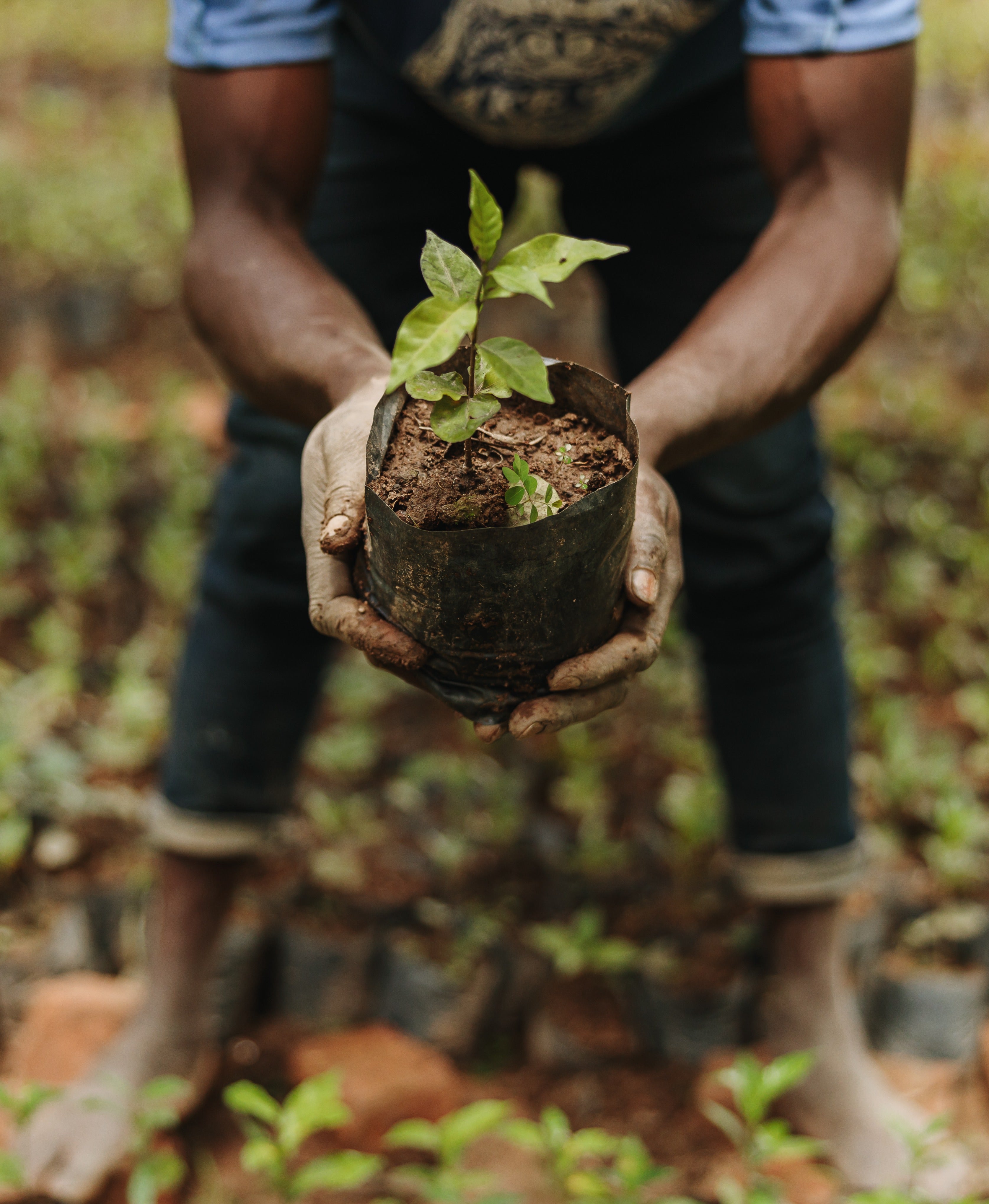
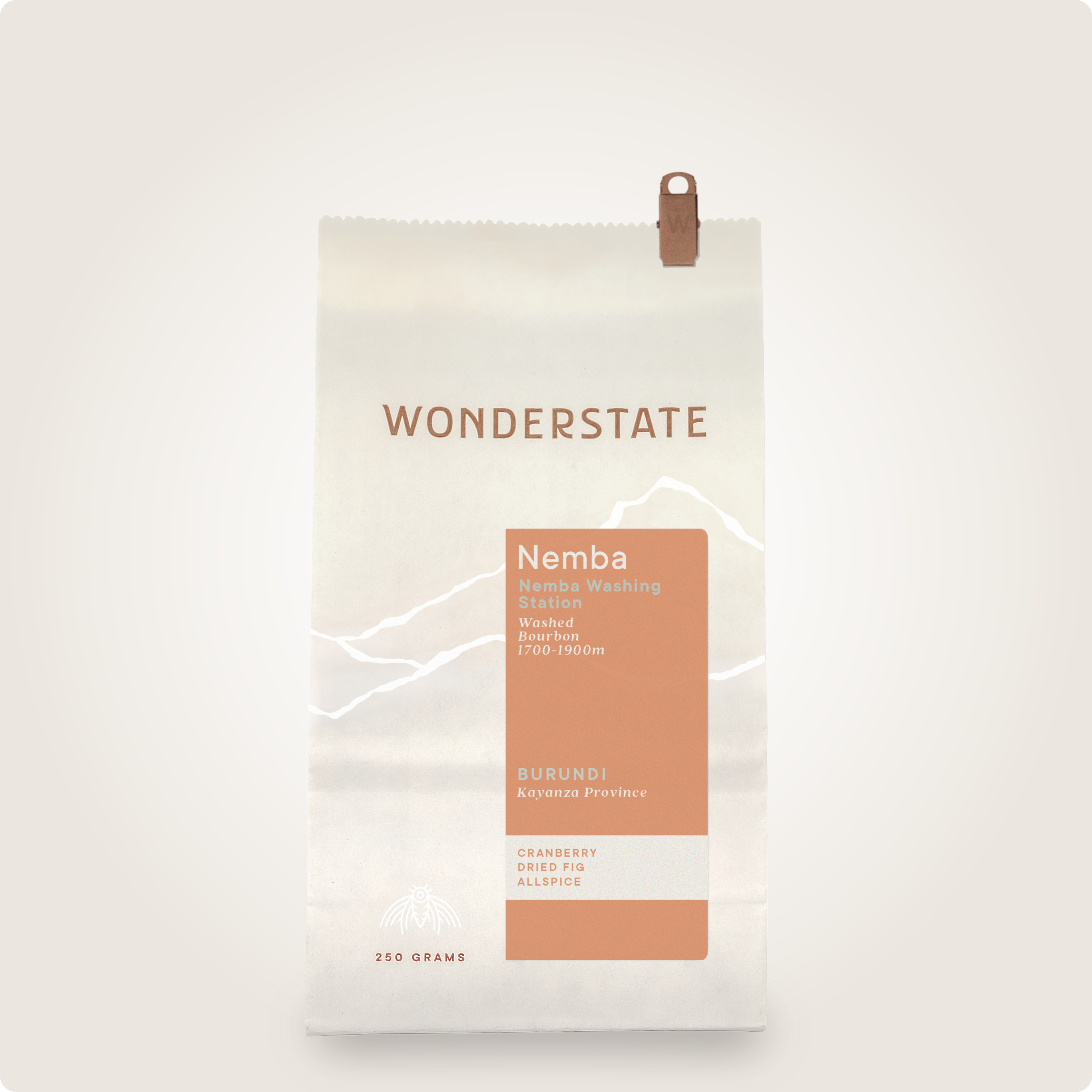
Year after year, the Nemba Washing Station produces some of the most dynamic coffees we taste from Burundi. Built in 1991, it serves approximately 2,600 smallholder farmers from surrounding communities, where farms often span just one to three acres. Deliveries are small, and the team at Nemba meticulously sorts cherries into distinct lots based on quality and flavor.
Burundi is one of the poorest countries in the world, with most people earning between $1 and $2 per day. Work is often seasonal and unreliable. Within this context, coffee plays a critical role as one of the few consistent sources of income available to families. For many producers, the harvest is the most important financial moment of the year, supporting school fees, farm investments, and the months ahead. Even small changes in price or market access can have an outsized impact.
Because of this, how coffee is purchased matters. We return to the same partnerships each year with the goal of building reliability and paying prices that generate real income. In years past, base prices for Burundi coffee were extremely low, and we worked with partners to supplement income through initiatives like livestock programs and financial training. This year, prices for grade 1 washed coffees increased sharply, rising by nearly 70 percent. This reflects both stronger competition for cherry within Burundi and broader global market pressures.
Through it all, we remain grateful to continue sourcing these coffees. Grown in small garden plots just outside farmers’ homes, Burundi heirloom Bourbon varieties consistently offer a profile that is both grounded and expressive, with rustic sweetness, layered fruit, bright acidity, and a spiced finish. It is remarkable that coffees of this depth and clarity emerge from such challenging conditions, and it is a responsibility we take seriously in how we choose to buy and share them.