



Which Coffees Are Best for Espresso?
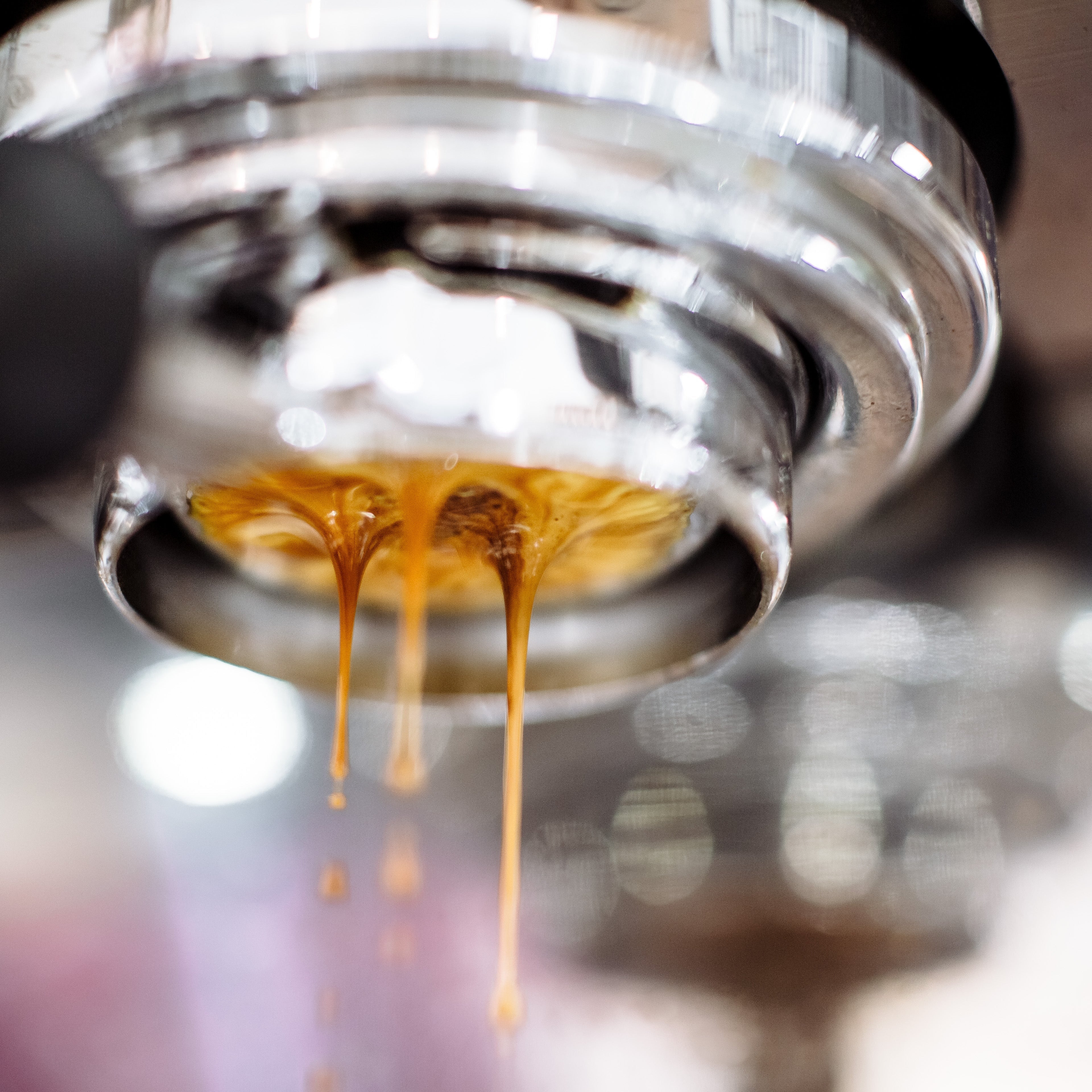
Walk into most coffee shops or browse online and you’ll often see coffees labeled “espresso blend.” It suggests that only certain coffees are suited for espresso. But the truth is simpler and more interesting: espresso is a brewing method, not a type of coffee.
At its core, almost any well-roasted coffee can be brewed beautifully on an espresso machine. The real difference comes down to how a coffee’s inherent characteristics show up under pressure, and how roast level shapes that experience.
Espresso Is a Lens
Brewing coffee as espresso compresses everything. It intensifies sweetness, amplifies acidity, and can either highlight or overwhelm bitterness. Because of that, espresso acts like a lens, bringing certain qualities into sharper focus.
A coffee that feels balanced and subtle as a pour-over might become vivid and punchy as espresso. Another that feels mellow and chocolatey might turn dense and syrupy.
Instead of asking “Is this an espresso coffee?” it is more useful to ask, “What will this coffee taste like as espresso?”

Light Roast Espresso: Bright, Expressive, Dynamic
Light roast coffees on espresso can be striking. They tend to emphasize:
-
Higher acidity, often citrus or berry-like
-
Clear, distinct flavor notes
-
A lighter body with a tea-like or juicy texture
These coffees can feel vibrant and complex, sometimes even surprising. A washed Ethiopian might deliver sparkling florals and lemon zest. A carefully processed Colombian could show layered fruit and sweetness.
They can also be less forgiving. Dialing in the coffee matters more. Grind size, dose, and extraction time all need a bit more attention to balance acidity and sweetness. But when it clicks, light roast espresso can be one of the most expressive ways to experience a coffee.
Try: Ethiopia Natural | Peru Inispata | Colombia La Canada
Dark Roast Espresso: Rich, Familiar, Comforting
Darker roasts move in a different direction. As roast level increases, acidity softens, and deeper flavors develop:
-
Chocolate, caramel, and toasted sugar notes
-
Fuller body, often heavier and more coating
-
Lower perceived acidity
These coffees tend to be more approachable and consistent on espresso. They extract more easily and deliver a profile many people associate with classic espresso: bold, rich, and smooth.
That does not necessarily make them better for espresso. It just makes them different. Where light roasts highlight origin and nuance, darker roasts emphasize roast-driven sweetness and body.
Try: Big Dipper | Driftless | Heartstrings
Drink What You Like
Most of the coffees we roast will shine as filter coffee and also perform well on espresso, each method revealing something unique. A bright, fruit-forward coffee might become your favorite morning shot. A deeper, chocolate-driven coffee will be perfect for milk drinks.
The best espresso coffee is the one that matches your taste.
If you enjoy:
-
Lively, fruit-forward shots, start with lighter roasts.
-
Balanced, sweet, and classic profiles, medium roasts.
-
Rich, bold, low-acid espresso, explore darker roasts.
There is no single right answer. Espresso is less about rules and more about preference, curiosity, and a bit of experimentation.
The Takeaway
Espresso is not a category of coffee. It is a way of brewing that reveals a coffee’s character in a concentrated form.
Whether light or dark, single origin or blend, what matters most is how the coffee is roasted and how it aligns with your taste. With a well-developed roast and a bit of dialing in, almost any coffee can become a great espresso.
Read more
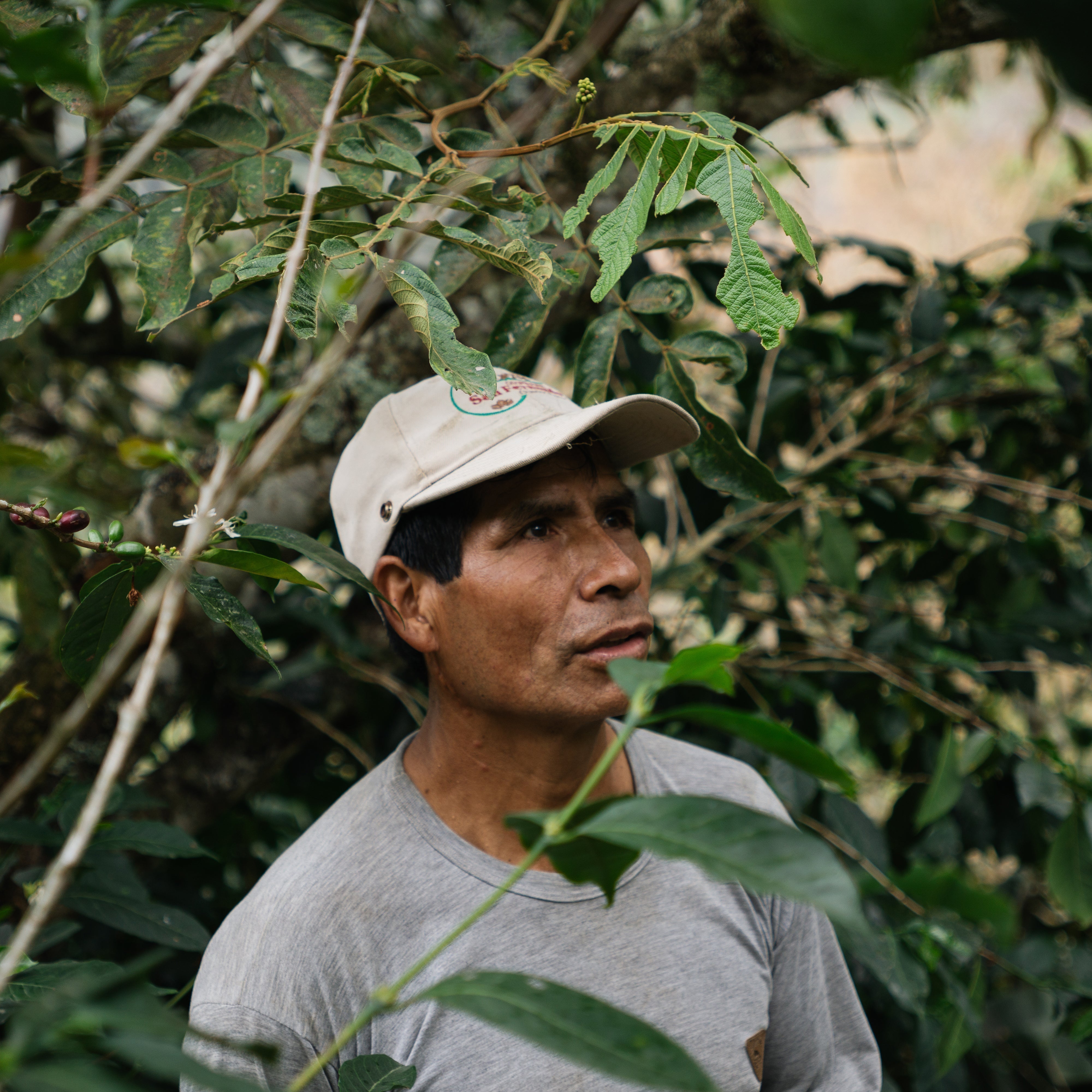
Pictured at top: Mario Villano on his farm on a small hamlet of Pacaybamba in the Incawasi Valley, Peru. After another year of dramatic swings in global coffee prices and mounting pressures from ...
By Nick Breheny, Director of Coffee Throughout the world, farmers are aging, and younger generations are increasingly stepping away from agriculture altogether. This isn't only happening in large-s...