

What does a long-term sourcing relationship actually look like?
When people think about what makes great coffee, they usually picture what's happening at the farm or in the roastery. But one of the biggest factors isn't a processing method or a roast profile.
It's the relationship between the people growing the coffee and the people buying it.
Long-term relationships are one of the most important tools we have for sourcing exceptional coffee, maintaining quality, and building a more resilient supply chain.
Coffee is often bought and sold as a commodity, where buyers may move from one producer or exporter to another depending on price or availability. We chose a different path more than twenty years ago. We've built our sourcing program around partnerships that last for years, and those relationships make us better at what we do.

What a Sourcing Relationship Looks Like
Our coffee team travels to coffee-growing regions four or five times each year. We spend time with producers and cooperative leaders, taste new harvests, visit farms, and make sourcing decisions together.
These trips are an important part of how we build and maintain relationships. We might spend a morning cupping coffees at a cooperative and an afternoon walking through a family farm, seeing the trees up close and talking with the people who care for them year-round. We learn what's happening on the ground, and producers learn more about who we are, what we're looking for, and how their coffees are received by our customers.
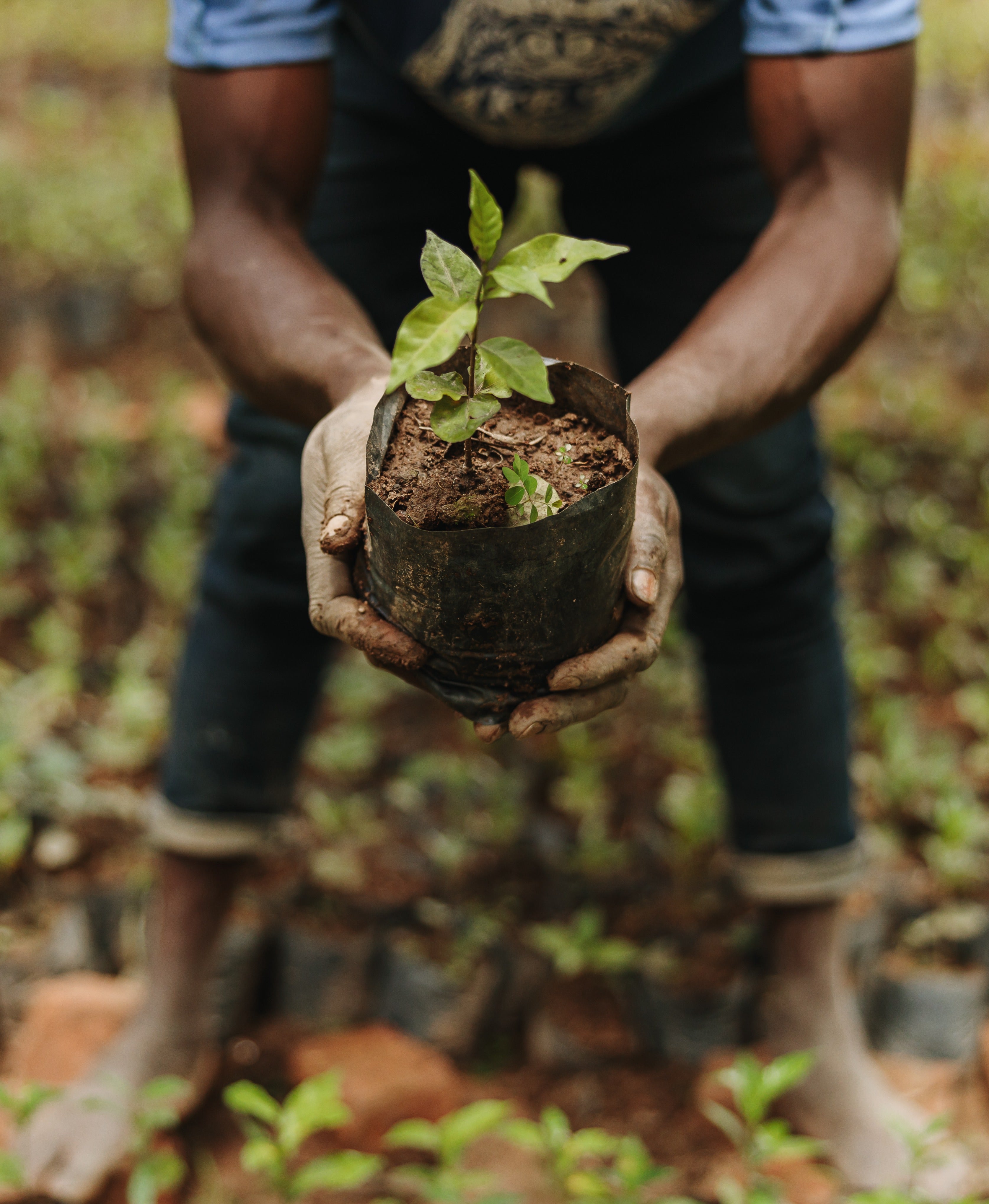
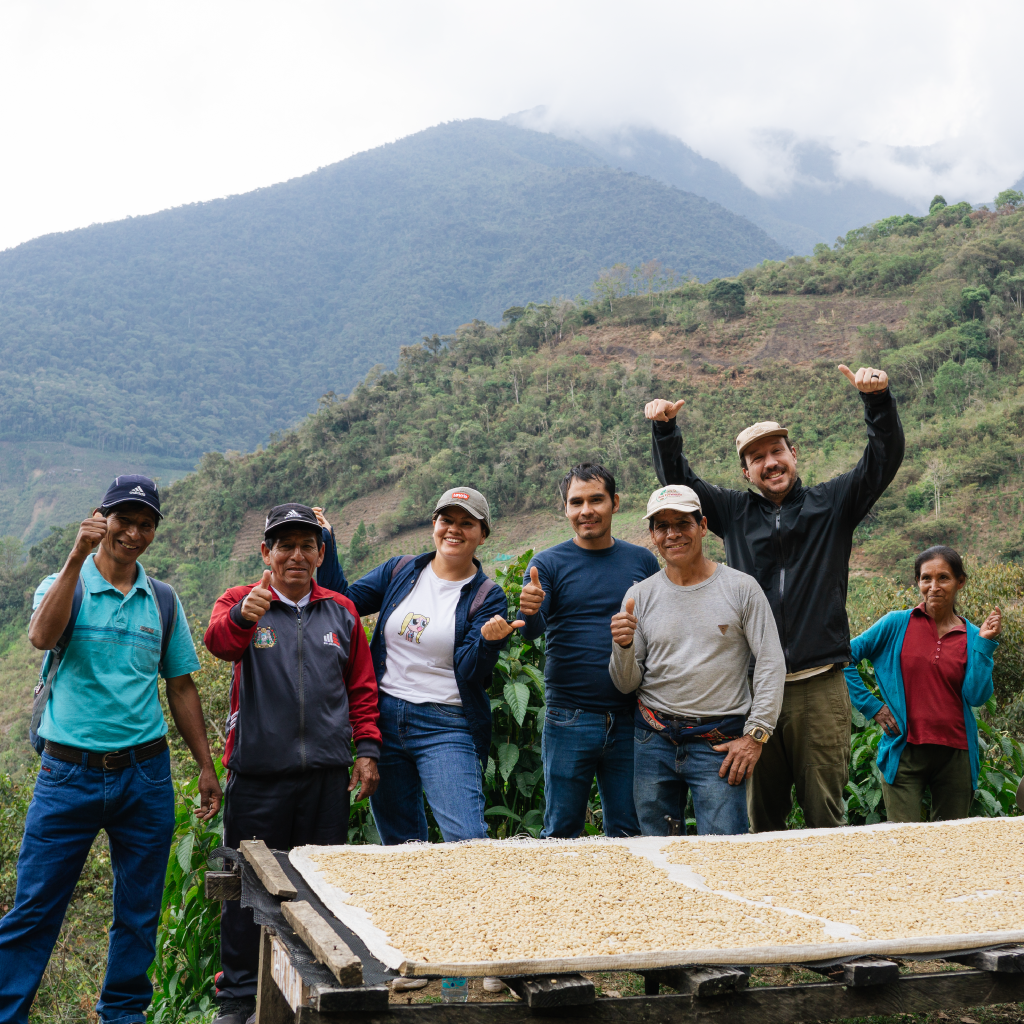
The photos throughout this story are from our most recent trip to Peru, where we spent time with the leadership of San Fernando Cooperative, one of our longest-standing sourcing relationships. We also visited individual family farms, walked among the coffee trees, and tasted coffees from the most recent harvest.
We are always grateful for the hospitality producers extend to us. Being welcomed onto a farm or into a cooperative is a privilege, and it's one of the things that makes this work so meaningful.

Why Long-Term Relationships Make Better Roasters
Coffee is an agricultural product. Every harvest is different: rainfall changes, temperatures shift, processing techniques evolve.
Even the same farm can produce a coffee that tastes slightly different from one season to the next. Working with the same producers over many years means we're not evaluating each harvest in isolation. We're building a shared understanding over time.
San Fernando Cooperative in Peru is a good example. We've worked with the cooperative for many years, building familiarity not just with the coffees they produce, but with the people behind them. When we return, we're able to taste the new harvest in the context of what came before it. We can talk about how the season went, what producers are experimenting with, what challenges they're facing, and where we see opportunities to continue improving.
That history matters. Producers learn our expectations for quality, and we learn what's possible from their land.
It also means that when an exceptional coffee comes across the cupping table, we have the context to understand it. We know the producer, the place, the harvest and, often, the work that went into making that particular lot possible.
That makes it easier to identify exceptional coffees, offer meaningful feedback, and make roasting decisions that bring out the best in each one.
Coffee Is a Long Game
Coffee trees take years to mature. New processing infrastructure requires significant investment. Training the next generation of farmers doesn't happen in a single season.
Every meaningful improvement on a coffee farm takes time. When farmers know they'll have a committed buyer year after year, they're able to make decisions with greater confidence. They can invest in better processing, improve quality, experiment with new varieties, or adopt practices that build resilience against climate change.
Those are difficult investments to justify if every harvest begins with uncertainty.
Long-term relationships don't mean we'll buy every coffee forever, regardless of quality. Quality still matters. But they create something valuable alongside that expectation: continuity.
When we return to a place like San Fernando year after year, we're not starting from scratch. We're continuing a conversation.

Better Communication Makes Better Coffee
Long-term relationships also create better conversations.
When producers are experimenting with new processing methods, we hear about it early. When weather affects a harvest, we're talking long before containers leave the mills. When a cooperative wants feedback on quality, we can have honest conversations because trust already exists.
And those conversations go both ways. Our coffee team brings feedback from the roastery and from the people drinking the coffee, while producers bring knowledge that we could never get from a sample on a cupping table.
That exchange is one of the most valuable parts of our sourcing work. Coffee quality isn't something we can define from one side of the supply chain. It's something we work toward together.
Strong Relationships Create a Stronger Supply Chain
The coffee market moves constantly. Prices rise and fall. Weather changes. Shipping delays happen. Relationships don't eliminate those challenges, but they make navigating them together much easier.
When markets become volatile, relationships built over many years tend to prove more resilient than purely transactional ones. Some sourcing models are designed to maximize flexibility. Ours is designed to build continuity.
We believe that when everyone expects to work together again next year, better decisions get made this year.
That's ultimately what we mean when we talk about relationship-based sourcing. It's not just about knowing where our coffee comes from. It's about knowing the people behind it, returning to the same places, learning from one another, and building something that can improve over time.