


A Bet on the Future: Climate Change and Coffee Farming
Every decision on a coffee farm is a bet on the future.
When a producer plants a seedling, invests in new equipment, builds healthy soil, or trains the next generation, they're making a choice that may not pay off for years. They're investing labor, time, and resources today in the hope that the land will continue to provide tomorrow.
That has always been true of farming. Climate change simply raises the stakes.
Here in Wisconsin, we understand that farming has always required optimism. Every spring begins with an act of faith. Farmers prepare fields, plant crops, and invest countless hours of work without knowing exactly what the season will bring. Drought, shifting rainfall, rising temperatures, and unpredictable harvest seasons are changing what successful farming looks like.
The question isn't whether coffee farmers are adapting. They already are. The question is whether they have the resources to keep adapting.
We believe climate resilience starts with people and process. Our sourcing model is designed to ensure producers earn enough to grow exceptional coffee today and the ability to invest in the future of their farms. Climate and farming resilience is built over years of thoughtful decisions.
Growing Coffee Under Trees
At the San Fernando Cooperative in northern Peru, climate change is already reshaping the growing season.
Drought-like conditions have reduced yields and placed additional stress on coffee trees. At the same time, unusual swings between hot and cool weather have stretched harvests far longer than normal.
During a recent visit, we saw trees carrying underripe, ripe, and overripe cherries all at once. On some farms, ripe fruit remained unpicked because the harvest had become too labor-intensive and expensive to keep up with.
Rather than accepting these conditions, the cooperative is investing in a longer-term solution.
 The view from San Fernando Coop. Look closely and you can see coffee trees dotting the steep slopes below among bigger shade trees.
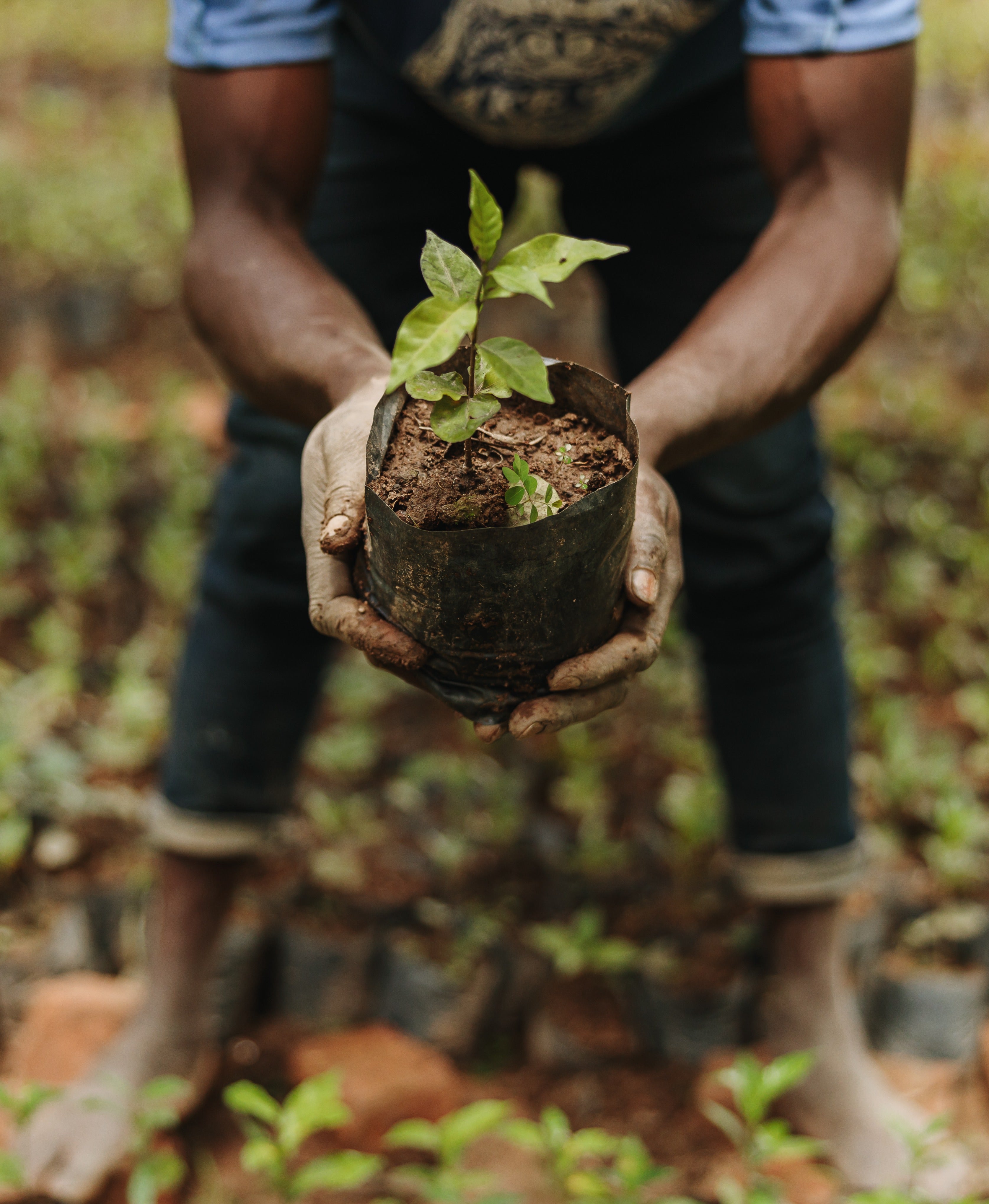
They've begun distributing shade tree seeds to every member farmer, sharing more than 200 kilograms of seed so far. As these trees mature, they'll help regulate temperatures, reduce water stress, improve biodiversity, and create healthier growing conditions for coffee.
Every tree planted today is a bet that coffee will continue to thrive decades from now.
Building Healthy Soil
Healthy soil is one of a farm's greatest assets.
At Triunfo Verde in Chiapas, Mexico, that investment begins with waste.
Coffee pulp and parchment left behind after processing are combined with banana tree debris and transformed into nutrient-rich compost. Worms help accelerate decomposition, creating a rich organic fertilizer that is shared with cooperative members.
Today, the cooperative maintains roughly 10 metric tons of compost and biofertilizer ready for distribution.
 Concrete beds at Triunfo Verde Cooperative's nursery hold compost and hard-working worms.
It's a remarkably circular system. What begins as a byproduct of one harvest becomes the foundation for the next.
Healthy soils retain more moisture, support healthier root systems, and help farms better withstand increasingly unpredictable weather. Organic matter also plays an important role in storing carbon in the soil, making compost one of agriculture's most effective climate tools.
Experimenting for Tomorrow
No one knows exactly which coffee varieties will perform best as climates continue to change. Triunfo Verde has transformed part of its work into an ongoing experiment.
Their nursery grows both heirloom and hybrid coffee varieties, testing disease resistance, productivity, and cup quality before distributing seedlings to members. Some varieties have already proven themselves. Others are still being evaluated through demonstration farms that allow producers to see results firsthand.
 Coffee starts are nurtured in a greenhouse at San Fernando Coop in Amaybamba in the Incahuasi Valley, Peru.
Alongside new seedlings, the cooperative provides individualized technical assistance to help producers improve yields, quality, and long-term farm health.
This gives their coop members the knowledge and flexibility to respond as conditions continue to evolve.
Investing in Better Infrastructure
Sometimes resilience comes from relatively simple improvements.
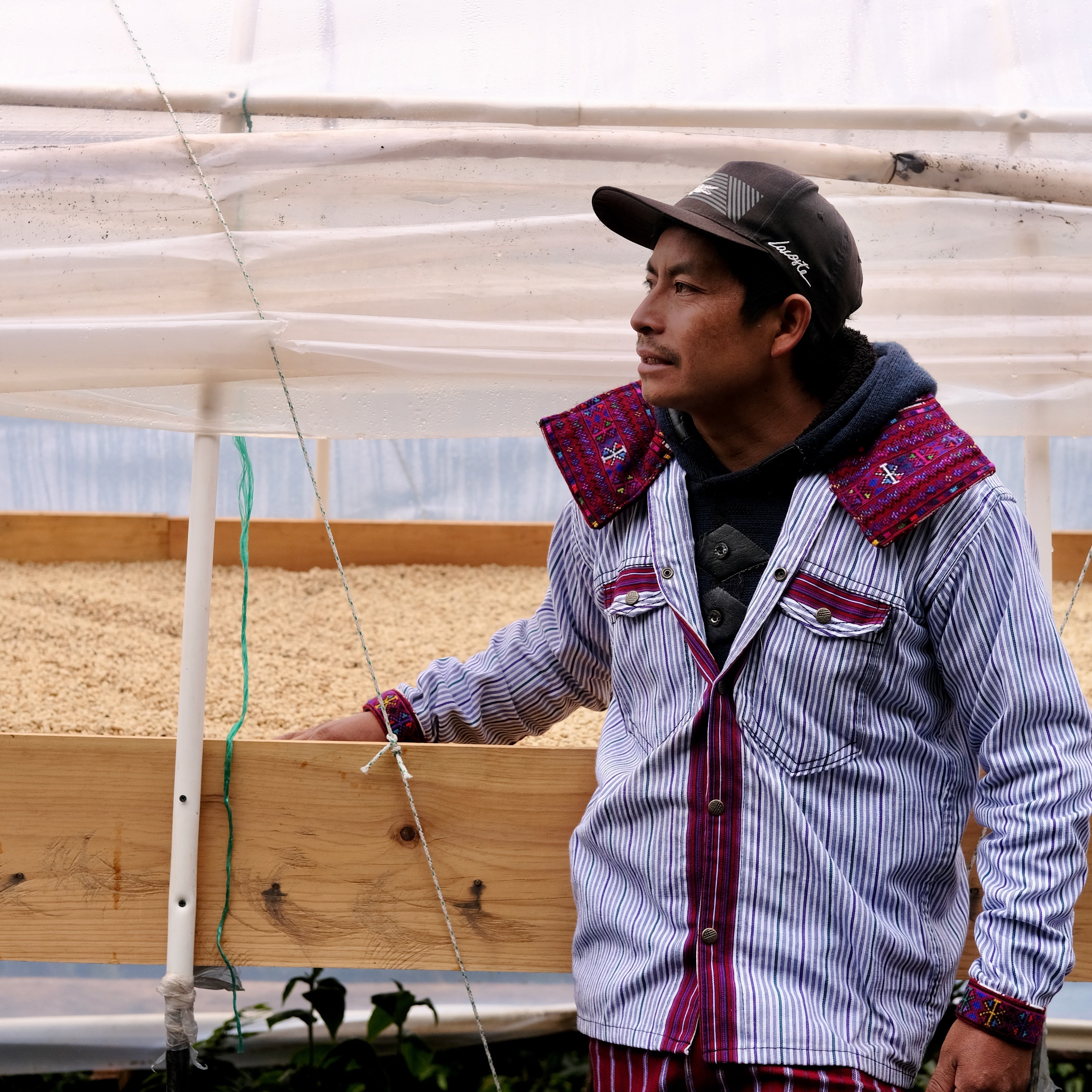
In Huehuetenango, Guatemala, producer Porfirio Velásquez has invested in raised drying beds for his coffee.
Many producers in the region still dry coffee on uncovered concrete patios. Under normal conditions, this works well enough, but weather patterns are no longer behaving normally.
During one recent harvest, unexpected rains arrived early, soaking coffee that had already begun drying. Once coffee reabsorbs moisture, quality can decline quickly.
 Grower Profirio Valesquez stands next to his new raised drying beds on Tojquia, his farm in Guatemala.
Raised beds improve airflow, shorten drying times, reduce labor, and make it much easier to protect coffee from both sudden rainstorms and increasingly intense heat.
They're a practical investment that reduces risk while improving quality.
Investing in the Next Generation
Perhaps the most important investment isn't in trees or compost. It's in people.
Without a new generation of skilled coffee farmers, both coffee production and the landscapes that support it are at risk.
Training young producers isn't simply about replacing retiring farmers. It's about preparing future land stewards who understand how to grow coffee while protecting forests, rebuilding soils, conserving water, and strengthening their communities.
At Kamavindi Farm in Kenya, producer Peter Mbature has built a training center where farmers gather to learn agronomy, marketing, and quality evaluation.
One of the most powerful moments happens during cupping sessions.
As Peter explains:
"During the cuppings, they taste their own coffee, and other farmers' coffees as well. A lot of times they choose another farmer's coffee as their favorite—the coffee with the best quality and flavor—and that's a powerful experience. It helps them understand how flavor impacts price, which is something most farmers have never experienced."
For many producers, it's the first time they've connected the work they do on the farm with the flavor consumers experience in the cup. That knowledge empowers better decisions, stronger businesses, and more resilient farming communities.
Support at the Start of the Supply Chain
We built our sourcing model around producer compensation because, ultimately, paying farmers fairly isn't just about equity. It's what enables producers to invest in the future of their farms and communities, and that's essential if we're going to have great coffee 20 or 30 years from now.
When producers have the financial stability to invest in their farms, they aren't just protecting next year's harvest. They're helping ensure coffee has a future.
Read more
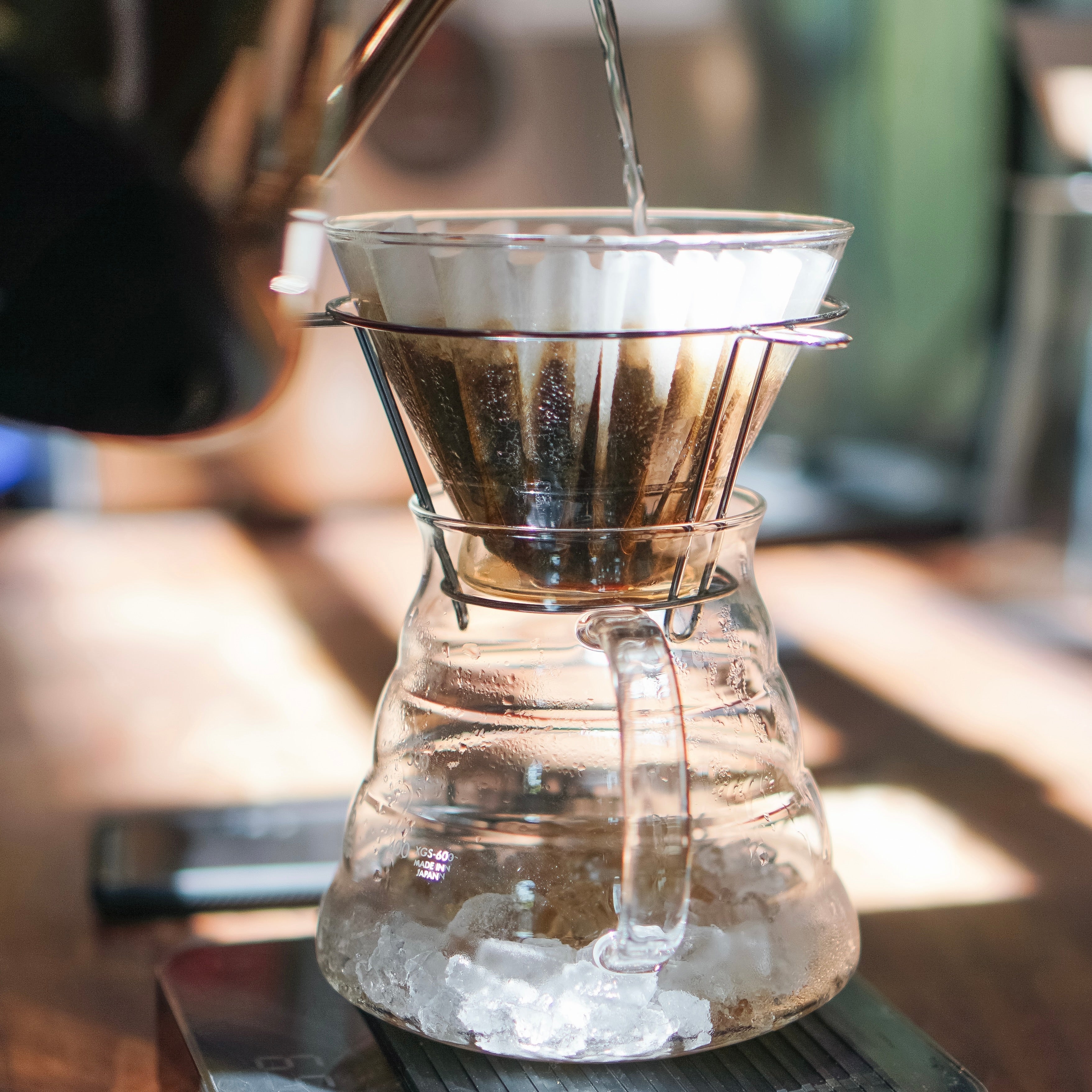
Flash brewing is a method in which you brew hot coffee directly over ice, instead of chilling hot coffee after brewing. This brew results in an aromatic and crisp cup, thanks to the effects of ‘sh...

It’s that time of year again! The plants are lush and full of life, there are occasional tornado sirens in the distance, and the temperatures have us seeking cool refuges — it's time for iced coffe...